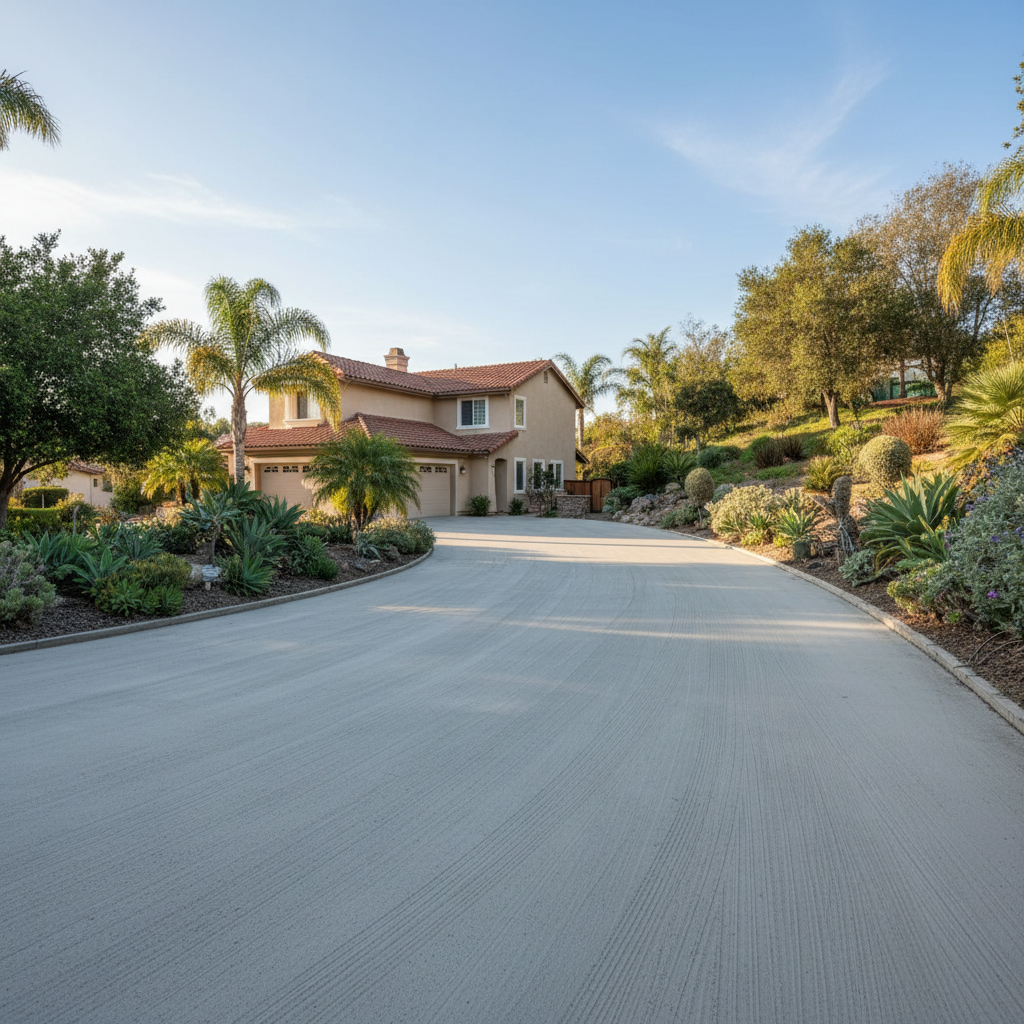
So, you've put money into asphalt milling for your place – maybe it's a parking lot, a private road, or even a really big driveway. Smart move, that. Milling is a fantastic way to fix things up and resurface without having to tear everything out, which saves you time and cash. But here's the thing: the job isn't truly finished just because the crew packed up and left. If you want that milled surface to actually last, you've got to treat it right. Think of it like buying a new car; you wouldn't just drive it around without regular oil changes, would you?
Making Your Milled Asphalt Last Longer
The absolute best thing you can do to get the most out of your milled asphalt is to sealcoat it. Seriously, I can't emphasize this enough. Milling leaves behind a fresh, porous surface. While it's structurally sound, it's more open to the elements than a brand-new, smooth asphalt layer. San Diego's sun, even when it's not scorching hot, just keeps on coming. UV rays break down the binder in asphalt, making it brittle and more likely to crack. A good quality sealcoat acts like sunscreen for your pavement, protecting it from UV damage and keeping water from seeping in.
You should plan on sealcoating anywhere from a few weeks to a few months after the milling is done, once the surface has had a chance to cure properly. After that, sticking to a regular sealcoating schedule, usually every 2-3 years, will make a huge difference. It's a small investment, but boy does it pay off in how long your asphalt lasts.
Another really important factor is good drainage. We don't exactly get a ton of rain here in San Diego, but when it does come, it can really pour. If water just sits on your milled surface, it'll seep in — especially if it hasn't been sealed. This can weaken the base layers underneath, eventually leading to potholes and cracks. So, make sure your gutters are clear, and any low spots where water collects get fixed. Sometimes, just a simple broom can prevent a really expensive repair down the line.
What Regular Maintenance Looks Like
Beyond sealcoating, keeping your milled asphalt in good shape is pretty straightforward. It's mostly about using common sense and just keeping an eye on things.
- Keep it Clean: Regularly sweep or blow off debris. Leaves, dirt, and gravel can hold moisture and, over time, scratch or wear down the surface. Plus, a clean surface just looks better, doesn't it?
- Clean Up Spills Right Away: Oil, gas, and other chemicals are asphalt's worst enemies. They actually dissolve the asphalt binder, creating soft spots that will eventually turn into potholes. If you spot a spill, clean it up with something absorbent, then wash the area with a mild detergent and water.
- Control Weeds: Weeds and grass just love to find their way through cracks. Once they get established, their roots can widen those cracks and cause some serious damage. Pull them out or use a weed killer as soon as you see them popping up.
- Watch Heavy Traffic: If your milled area gets a lot of heavy trucks or equipment, be mindful of where they're parking or making sharp turns. Too much weight or tight turns in the same spot can cause rutting or wear things out prematurely.
Warning Signs of Problems
You don't need to be an asphalt expert to spot trouble. Just take a walk around your property every so often and look for these warning signs:
- Cracks: Any cracks are a red flag. Small, hairline cracks can quickly get bigger if you don't deal with them. They're basically open invitations for water to get into your sub-base.
- Potholes: These are pretty obvious. They start small and grow fast. Don't ignore them; they're a hazard and usually mean there are deeper issues brewing.
- Fading or Discoloration: If your asphalt is starting to look gray instead of black, it means the binder is oxidizing and breaking down. This is a sign that it's losing its protective qualities and probably needs sealcoating.
- Raveling: This happens when the aggregate (those small stones) starts coming loose from the surface. It makes the pavement look rough and uneven. It means the binder is failing, plain and simple.
- Standing Water: Like I said, water pooling anywhere on your surface is a problem. It points to a drainage issue or a depression forming in the pavement.
When to Call a Professional
You can definitely handle the sweeping and spill clean-up yourself, but for anything more serious, you really need to call in the pros. Don't try to patch a big pothole with a bag of cold patch from the hardware store; it's a temporary fix that rarely holds up, especially with our coastal humidity and those temperature swings.
You should absolutely call Aim High Asphalt Solutions if you see:
- Widespread Cracking: More than just a few isolated cracks. If you've got a whole network of cracks, it's time for us to take a look.
- Multiple Potholes: If potholes are popping up all over the place, it usually means there's a bigger problem with your base or the overall strength of the surface.
- Significant Rutting or Depressions: These aren't just cosmetic issues; they're structural failures that need proper repair.
- Drainage Issues: If water is consistently pooling, we can assess the grading and recommend solutions, whether that's a patch, a new drain, or re-sloping the area.
- Before Sealcoating: It's always best to have a professional prepare the surface and apply the sealcoat. We've got the right equipment and materials to make sure it's done correctly and actually lasts.
Look, your asphalt is an asset. Taking care of it means it'll perform better, look better, and ultimately save you money on major repairs down the road. A little proactive maintenance goes a really long way, especially here in San Diego where the sun and occasional heavy rains can really put your pavement to the test.